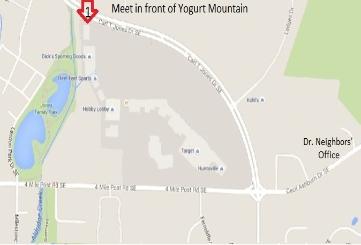
Walk With the Doc Saturday July 1st, 7:00 am Is Gluten Good for Us? Gluten-free foods seem to be everywhere. Following years of intense advertizing, millions seem convinced gluten is the cause for every illness from dementia to diabetes. Unfortunately, the multibillion dollar business that promotes fear of gluten is unlikely to subside until another fad replaces it. In a rush to profit from the gluten hysteria, food marketers have slapped gluten-free labels on products that never contained gluten. Can you imagine a promotion for gluten-free bottled water? Well, more than a few creative marketers have. Thanks to creative marketing we can now add glutenophobia to our vocabulary. For most, gluten is a good food. Less than one percent (1 in 133) of people has an abnormal immune response to gluten that can damage the lining of the small intestine (celiac disease). That damage can in turn prevents important nutrients from being absorbed. For people without celiac disease, a gluten-free diet is often lacking in important vitamins, minerals, and fiber unless care is taken in selecting appropriate alternative foods. For most, meeting the dietary guidelines is challenging if all gluten containing whole grains are eliminated from the diet. For certain populations the occurrence of gluten intolerance is much higher. If you have a first degree relative (parent, child, sibling) that’s gluten intolerant then your odds are 1 in 22. If you only have a second-degree relative (aunt, uncle, cousin) that’s gluten intolerant then your odds are 1 in 39. For African-Americans, Hispanic-Americans and Asian-Americans the likelihood is much less at about 1 in 236. Historically, most diagnosed with celiac disease were misdiagnosed and had other issues. The CDC factsheet “Prevalence of Celiac Disease in the United States” provides more details. In fairness to the bad rap gluten gets it’s useful to know that almost all foods present a problem to some small population and many of these problematic foods negatively affect far more than one percent of the population. Given that humans have probably been eating grains with gluten for over 6,000 years, there is reason to believe it’s a food most should find safe and thrive on. In contrast, some take the perspective that because we have only been eating grains for around 6,000 years we may not have completely adapted to them. Based on the relatively low occurrence of celiac disease and gluten sensitivity in the general population most of us appear to have adapted just fine. When eaten in its refined state, gluten is a low quality protein (deficient in the amino acid lysine). However, in the unrefined form, whole grains with gluten can be a valuable part of a diet that helps lower risk of heart disease, type- 2 diabetes, and some forms of cancer. A recent study of gluten consumption in adults without celiac disease and risk of coronary heart disease reinforces the message that avoiding foods with gluten is not a good idea unless you have verifiable gluten intolerance. A downside of a gluten-free diet is cost. Most gluten-free alternatives are more expensive than their counterparts. Often, gluten- free alternatives cost twice the price of standard products. It gets worse. Many gluten-free products are high in saturated fat or cholesterol. Others may be high in calories. Another downside of a gluten-free diet is loss of food texture. With appropriate processing, wheat gluten can have many different textures including chewy textures that resemble meat. A gluten-free diet can have another downside. When rice replaces other grains there may be increased blood levels of arsenic and mercury. The potential danger only occurs when rice becomes a major part of the diet. Not all rice is implicated but as a consumer it’s hard to know which brands are best. Read more at A Downside of Gluten-Free. With age we can become less tolerant of certain foods. Often this is more about how well we have taken care of ourselves. Without attention to diet and exercise, few can continue to eat like they did in their teens. Neglect the basic and soon the pancreas wears out, we get type 2 diabetes, food intolerance develops, indigestion issues occur more frequently, etc. While gluten intolerance and gluten sensitivity is a concern to some, the harm from over consumption of junk food made from refined gluten flour is the larger health issue for most. Typically, refined gluten foods are loaded with sugar and fats. Concerns over gluten sensitivity pale in comparison with the ease refined foods can be easily over consumed. As for herbal remedies that promise to ease gluten sensitivity, there’s little evidence they provide benefit. If you have concerns about gluten, a food diary can help sort out what’s going on. The best approach is to eliminate one food type at a time. For example, you might stop eating foods with gluten and after six weeks see how you feel. Nancy Neighbors, MD Let’s take a walk Date: Saturday, July 1st Location: Jones Family Park (see map) Time: 7:00 am (Meet in front of Yogurt Mt.) Yogurt Mt. is the last store at the end of Valley Bend Shopping Center). If cloudy, bring an umbrella, we walk come rain or shine. Click here for Dr. Neighbors’ 2017 news page If you would prefer to discontinue receiving ideas about healthy living from Dr. Neighbors please phone (256) 882-6085. |